

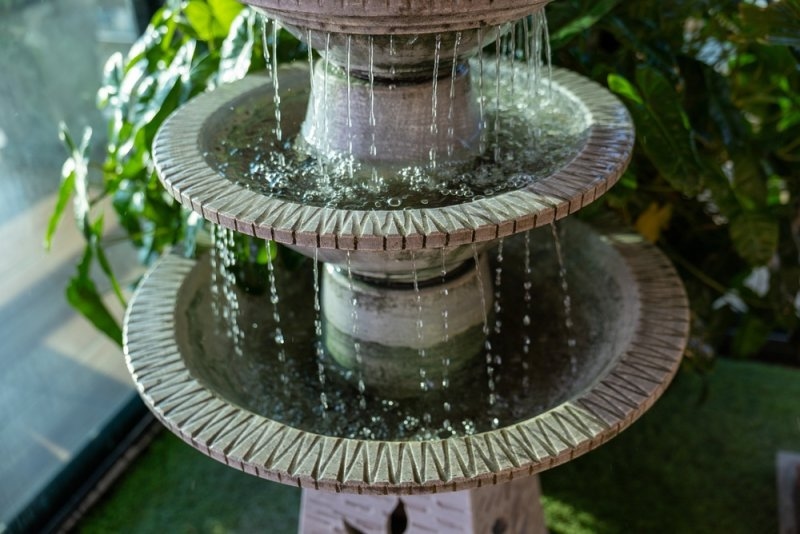
The best thing about an indoor fountain is that it adds movement, sound, and a relaxed feeling to any room. An indoor fountain in the living room, the office, or in an entranceway would complete the decor of any room nicely, while helping to make any environment a calming one. One of the biggest decisions a buyer can make is what material to choose.
A Resin vs Stone Indoor Fountain often sparks a discussion over durability, maintenance, aesthetics, and price. How each material holds up over time will impact what you select to enjoy lasting satisfaction.
When examining the possibilities in a resin vs. stone indoor fountain, each material provides distinct advantages. Resin fountains can be lightweight, inexpensive, and available in virtually limitless styles, while stone fountains look incredibly authentic, are very durable, and add a sense of luxury to any room.
If durability is the number one concern, a stone fountain is usually the clear winner. If ease and cost are of paramount importance, a resin model might be the best fit for your family. A more in-depth examination of each material can bring a clearer perspective:
A Resin Fountain is created using composite materials formed together through molding into the shapes of desired objects. The material often mimics a natural stone finish to replicate the authentic look and feel at a reduced cost.
A main selling point of a Resin Fountain is its lightweight structure, which makes it extremely portable around your home as well as easier to set up. Flexibility is also a plus point for those looking to redecorate on a frequent basis. Resin fountains are made to resist moisture, making them an ideal indoor fountain. Modern and advanced Resin Fountains often include protective coatings that prevent excessive wear and tear over time.
Another key advantage of the Resin Fountain is cost; they are reasonably priced and offer value for money for those homeowners wanting to add the sound and movement of a water fountain at minimal expense.
A stone fountain is carved into the shape required from a single block of natural stone, such as a slab of granite, slate, marble, or sandstone. It is enjoyed by homeowners because it is unique looking, robust, and looks and feels high quality.
Unique natural markings are inherent within every piece of natural stone, making no two Stone Fountains alike. This beautiful, natural quality typically means a Stone Fountain will stand out from the rest as a focal point of the room it is situated in.
Natural stone is highly resilient and is renowned for its durability, as well as being suitable to last decades on end when utilized as a decorative water feature within a home. Due to this longevity, a Stone Fountain can be seen not only as an aesthetic addition to the home but also as a solid investment. Although it is more expensive and weightier, a Stone Fountain will most certainly last for years.
Durability is perhaps the single most important factor in a Fountain Material Comparison. A top-quality resin fountain, properly maintained, can last for years within a home environment; however, resin may be susceptible to cracking or a reduction in the appearance of the outer layer as it ages over the years. On the other hand, a stone fountain will often outlast its resin counterpart with great longevity.
Natural stone is immensely water-resistant, and it will hold its structure for countless years. While being indoors and under normal indoor conditions, it will also not become dull or faded. For a buyer seeking a durable indoor fountain, a stone fountain will surely fit the bill, though some resin fountains last a long time as well.
Maintenance will ultimately have an impact on how well and for how long a fountain will hold up. It is relatively simple to keep a Resin Fountain clean. The smooth exterior of this model can be easily scrubbed with gentle soap and water, preventing the buildup of mineral deposits or dirt. No special procedures or supplies are typically required for a Resin Fountain. Stone fountains do require slightly more upkeep.
Some natural stone fountains are prone to absorbing stains and minerals, so it will benefit a homeowner to occasionally seal the stone, which would prolong the fountain's natural look. Nevertheless, both have to be kept clean with regular water changes and pump maintenance in order to be enjoyed for years to come.
Indoor fountains may transform slightly in appearance over the years. The initial impression of a Resin Fountain, or its often uncanny similarity to the look and feel of natural stone, may fade slightly as wear and tear eventually begin to take its toll, especially if the protective coating begins to wear away over time. In contrast, a Stone Fountain takes on a naturalistic look as it ages; its timeless beauty continues to shine even through the years of heavy use.
If maintaining the authentic look and feel of the fountain is the priority in selecting an indoor water feature, a stone fountain would undoubtedly be the superior choice.
The cost of an indoor fountain can be a major determining factor in a purchase. An upfront Resin Fountain typically comes at a lower price point, making it more appealing for those working with a strict budget; a Resin Fountain will provide an amazing piece of decor without breaking the bank. A stone fountain, on the other hand, does require a greater initial investment, though its potential for long-term value in a longer lifespan is undeniable.
A fountain that lasts decades might well prove itself cheaper in the long run than a model that lasts fewer years and has to be replaced. This balance is often at the forefront of the Fountain Material Comparison.
For those homeowners pondering "Is a resin or stone indoor fountain better for long-term use?", it comes down to durability and longevity, where stone usually prevails. If you're searching for a luxurious, long-lasting water feature that can stay beautiful for years and years, then a Stone Fountain is definitely the ideal choice.
If budget, a lightweight product, and easy care and upkeep are your number one concerns, then a Resin Fountain will be the better choice for your family.
Choosing between a resin vs. stone indoor fountain largely boils down to budget, how much work you are willing to put into maintenance, and what you envision a fountain will offer to your home for years to come. A Resin Fountain is an excellent and affordable option that is easy to move and take care of.
Understanding the inherent characteristics and differing benefits each water fountain holds will surely aid you in making a selection that provides you with value and a tranquil environment for years to come.
In general, indoor fountains are built to emit a calming water sound. The volume and character of the sound will vary depending on how the fountain is designed and operated (pump size and water flow), as well as the fountain material and craftsmanship. It can also be controlled and adjusted somewhat based on the level of water it is filled with.
Most indoor fountains should have their water changed every two to four weeks. Changing the water periodically prevents mineral build-up and stagnation, which can lead to algae and foul odors.
The soothing sound of moving water may have calming qualities and thus may provide assistance in achieving a state of relaxation and stress relief. Indoor fountains are popular in workspaces for increasing focus, as well as in homes for their ambient water sound.
Generally speaking, there is no required professional installation for most indoor fountains. The vast majority are designed to be easily self-installed, with many resin fountains simply requiring that a power plug be inserted into an electrical outlet. Larger and heavier stone fountains may require more attention in installation due to their weight.
This content was created by AI